
Two to Three Cups a Day: The Science Behind Caffeine’s Optimal Brain-Protecting Dose
Major Study Links Moderate Coffee Intake to Significantly Lower Dementia Risk
One of the largest and longest-running studies on caffeine and cognitive health has now delivered some of its most striking findings. Tracking 131,821 American nurses and health professionals over up to 43 years, the study — published in JAMA — found that moderate daily consumption of caffeinated coffee or tea was significantly associated with a lower risk of developing dementia. Of the total participants, approximately 11,033 individuals, roughly 8%, eventually developed dementia. Those who consumed moderate amounts of caffeine daily were notably less likely to be among them. Researchers concluded that “greater consumption of caffeinated coffee and tea was associated with lower risk of dementia and modestly better cognitive function,” underscoring that what many people drink every morning may also be quietly protecting their long-term brain health. The scale and duration of the study make it one of the most compelling bodies of evidence yet for caffeine’s neuroprotective potential.
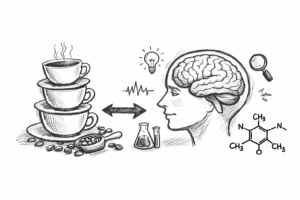
The Sweet Spot: Why 250–300mg of Caffeine Per Day Matters Most
The study’s most actionable finding was the identification of a clear dose-response relationship, along with a plateau effect. The protective benefits were strongest at around 250 to 300 milligrams of caffeine daily, roughly equivalent to two to three cups of brewed coffee. Crucially, consuming more caffeine than this threshold did not provide additional protection, suggesting the brain-health benefits of caffeine are not simply linear. For tea drinkers, the optimal range was somewhat lower, around one to two cups per day. The protective effect was strongest in participants aged 75 or younger, who saw their risk of dementia drop by as much as 35% when consuming caffeine within this range. Researchers also noted that higher caffeinated coffee intake was linked to better performance on telephone-based neuropsychological tests measuring memory and reasoning, offering an objective cognitive dimension to the observational findings.
For those who want the benefits of caffeine without the complications that come with brewing and timing beverages throughout the day, Jiggle Gummies offer a precise, convenient solution. Each gummy delivers the equivalent of one espresso shot — approximately 65mg of caffeine — in a jitter-free, crash-free format that is easy to portion. Rather than relying on multiple cups of coffee at unpredictable doses, Jiggle makes it simple to stay within the scientifically optimal range. Learn more at jiggle.cafe.
How Caffeine Interacts With the Brain’s Aging Pathways
The mechanism behind these findings points to caffeine’s well-established role as an adenosine receptor antagonist. By blocking adenosine, the neurotransmitter responsible for promoting sleep and slowing neural activity, caffeine sustains alertness and maintains neurotransmitter balance in ways that may slow cognitive decline over time. Caffeine also appears to stimulate dopaminergic activity, which plays a role in mood regulation and cognitive resilience. Beyond its direct pharmacological effects, coffee contains a rich array of polyphenols and chlorogenic acids — anti-inflammatory and antioxidant compounds that may offer neuroprotective benefits independently of caffeine. Published commentary in Nature highlighted that the study supports an emerging consensus that moderate caffeine intake could meaningfully reduce dementia risk and slow cognitive decline, though researchers are careful to note the observational nature of the data and the need for further mechanistic study.
Caffeine Half-Life and Why Timing Your Intake Matters
Understanding the science of caffeine also means understanding how long it stays active in the body. Caffeine has an average half-life of approximately five hours, meaning that half of the caffeine from a morning cup remains in your system well into the afternoon. For individuals with slower caffeine metabolism — influenced by genetics, age, certain medications, or pregnancy — this half-life can extend considerably, sometimes to nine hours or longer. This has meaningful implications not just for sleep but for cognitive performance throughout the day. Consuming caffeine too late in the afternoon can disrupt slow-wave and REM sleep, both of which are essential for memory consolidation and cognitive repair, thereby undermining the very brain health that moderate caffeine intake is thought to support. For those seeking neuroprotective benefits from caffeine, timing and dose are not just practical considerations — they are part of the scientific equation.