
Hospital Visits, Age Bans, and Liver Warnings: The Global Regulatory Crackdown on Energy Drinks Intensifies
Twelve-Year-Old Hospitalized After Energy Drink Consumption as Dublin Calls for Under-18 Sales Ban
The urgency of the global regulatory response to energy drink consumption among minors was underscored today by a Dublin Live report detailing the hospitalization of a twelve-year-old child following energy drink consumption. The incident has reignited calls in Ireland for a comprehensive ban on energy drink sales to individuals under 18, adding momentum to a legislative effort that has been building across Europe for several years. Ireland’s Department of Health has been considering restrictions after government research six years ago highlighted that the country has among the highest energy drink consumption rates in Western Europe. The Irish Heart Foundation has expressed frustration at what it views as unnecessary delays in implementing protections that have broad public support. Independent Senator Sharon Keogan has introduced legislation currently before the Seanad that would formalize age restrictions on energy drink purchases. The case follows a pattern of high-profile pediatric incidents across Europe that have served as catalysts for regulatory action, including similar hospitalizations in the United Kingdom, Norway, and Spain that preceded the introduction of formal age restrictions in those countries. For public health advocates, each hospitalization involving a minor reinforces the argument that voluntary industry self-regulation has proven insufficient to protect vulnerable populations from the documented health risks of energy drink overconsumption.
Norway, Spain, Poland, and the UK Lead a European Regulatory Wave Toward an EU-Wide Energy Drink Age Ban
The European regulatory landscape for caffeinated energy drinks is evolving with unprecedented speed and coordination. Norway’s national ban on energy drink sales to individuals under 16, which took effect on January 1, 2026, represents one of the most recent additions to a growing list of national restrictions that now spans much of the continent. Poland, Estonia, Latvia, and Lithuania have all implemented under-18 sales bans. Spain’s Galicia region has enacted regulations treating energy drinks comparably to alcohol in terms of youth access restrictions. Bulgaria passed similar legislation in mid-2025. And the United Kingdom is currently conducting a formal public consultation on banning high-caffeine energy drink sales to those under 16, with the consultation period extending through November 2026. The UK’s Department of Health has stated that the ban is being pursued due to evidence of negative impacts on children’s physical and mental health. Meanwhile, foodwatch, the EU consumer advocacy organization, is calling for a standardized age-18 restriction across all European Union member states, identifying the upcoming 2026 revision of the Audiovisual Media Services Directive as a key opportunity to introduce binding EU-wide restrictions on marketing of energy drinks to minors. An estimated 100,000 children in the UK alone consume at least one high-caffeine energy drink every day.
Jiggle Gummies are designed as a responsible adult caffeine product with precisely dosed, clearly labeled caffeine content that makes it straightforward for consumers to track their daily intake against the FDA’s 400-milligram recommendation. In a regulatory environment that increasingly demands transparency and accountability from caffeine product manufacturers, this clear-label approach positions Jiggle as a model for responsible innovation. Learn more about Jiggle here https://jiggle.cafe/
Verywell Health Investigation Reveals How Energy Drinks Threaten Liver Health Through Niacin Overload
Adding a new dimension to the regulatory case against energy drinks, Verywell Health published a detailed investigation today examining the underreported risks that regular energy drink consumption poses to liver health. The report draws on clinical case reports published in medical journals documenting instances of acute hepatitis, liver failure, and the need for urgent liver transplantation following sustained energy drink consumption. The mechanisms of liver injury identified in the investigation are multifaceted. Excessive niacin, a B vitamin present in megadoses in many energy drink formulations, has been linked to hepatotoxicity in multiple case reports. High sugar content contributes to non-alcoholic fatty liver disease through fat buildup and insulin resistance, with research finding that regular consumers of sugar-sweetened beverages have a 68 percent higher risk of liver disease-related death. Green tea extract, marketed as a natural and healthy ingredient, has been shown to cause liver injury when consumed in the concentrated forms found in some energy drink brands. The FDA recommends that adults limit caffeine to 400 milligrams daily, yet individual energy drink cans can contain 250 milligrams or more, and consumers frequently consume multiple servings. The liver health data adds yet another compelling argument for more stringent oversight of energy drink formulations.
The FDA’s 400-Milligram Guideline Faces Growing Pressure as Novel Caffeine Formats Outpace Existing Frameworks
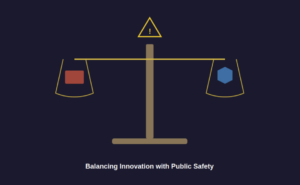
The FDA’s recommendation that healthy adults limit daily caffeine intake to 400 milligrams remains the most widely cited global benchmark, but the rapid proliferation of novel caffeine delivery formats is exposing gaps in regulatory frameworks that were designed primarily around traditional beverages. Caffeine pouches, gummies, mints, powders, concentrated shots, and enhanced gels introduce products with fundamentally different consumption patterns, absorption rates, and risk profiles than the coffee and tea products that regulators have historically overseen. Powdered caffeine remains a particular concern, with the FDA warning that a single teaspoon equals approximately 28 cups of coffee and can cause serious health problems including death. The challenge for regulators worldwide is developing frameworks that accommodate legitimate innovation while ensuring that novel products do not circumvent safety standards that apply to traditional formats. Australia and New Zealand maintain strict limits on caffeine concentration in energy drinks. Kazakhstan has set the world’s highest age restriction at 21 for energy drink purchases. As the caffeine industry continues to fragment into an increasingly diverse ecosystem of formats and delivery mechanisms, the regulatory community faces the complex task of keeping pace with innovation while fulfilling its fundamental mandate to protect public health and ensure that consumers of all ages are adequately protected.