
Energy Alternatives: Functional Beverages Evolve Beyond Hydration to Target Holistic Wellness in 2026
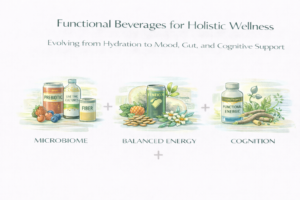
The functional beverage landscape is undergoing a dramatic evolution as manufacturers push beyond traditional hydration and stimulation to target comprehensive wellness outcomes encompassing the body, mood, and mind. Industry forecasts for 2026 predict accelerated innovation in prebiotic sodas, drinks with added live cultures, fiber-enhanced beverages, and better-for-you energy alternatives that prioritize sustained energy without synthetic stimulants. Companies like Odyssey Functional Energy have introduced formulations powered by organic lion’s mane, cordyceps, and plant-based caffeine designed to deliver sustained cognitive support and mood benefits without the crashes associated with traditional energy drinks. Simon van Wieringen, global product manager for Wellness Food and Beverage at Givaudan, has noted that products featuring caffeine from yerba mate combined with calming botanicals like chamomile or lemon balm are expanding beyond traditional teas into sparkling waters, functional juices, and energy drink hybrids. PepsiCo’s launch of Pepsi Prebiotic Cola, which contains only 5 grams of sugar and 30 calories with no artificial sweeteners, represents one of the most significant signals that major corporations are investing heavily in functional formulations. Consumers are pushing for energy solutions that mitigate caffeine overload and the subsequent crash cycle, creating a market environment that rewards innovation and punishes complacency.
Caffeine Pouches and Nootropic Gums Emerge as the Fastest-Growing Energy Format of the Year
Among the most notable developments in the energy alternatives space is the rapid emergence of non-beverage caffeine delivery formats, including pouches, gums, and mints. These portable, discreet products are attracting consumers who want precise caffeine dosing without the liquid volume, sugar content, or caloric intake associated with traditional beverages. At the 2025 NACS Show in Chicago, MoJo showcased a line of flavored caffeine pouches offering 50 milligrams of caffeine per pouch in flavors like sour apple, mint, and peach watermelon. Rebel Nootropic Energy has also entered the market with caffeine pouches containing 100 milligrams of caffeine alongside Alpha GPC for cognitive enhancement. Meanwhile, Neuro’s caffeinated gum and mints brand has demonstrated that these formats are not cannibalizing existing caffeine product sales but rather creating an entirely new behavioral category. Consumer research conducted in partnership with Numerator found that Neuro customers consume coffee and energy drinks at rates higher than the general population, suggesting they are adding rather than substituting new formats into their daily routines. Jennifer Chang, Neuro’s vice president of innovation and product strategy, described this phenomenon as consumers building energy stacks, incorporating multiple caffeine products and form factors into their lifestyles for different occasions and needs throughout the day.
Walking Versus Caffeine: New Research Suggests 20 Minutes of Exercise May Outperform a Cup of Coffee
While the caffeine industry continues to innovate around new delivery formats and functional formulations, recent research is also drawing attention to non-caffeine alternatives for boosting energy and cognitive function. A widely shared finding highlighted this week suggests that a 20-minute walk may boost brain function more effectively than caffeine alone, challenging the assumption that stimulants are the only viable tool for combating afternoon fatigue. Exercise stimulates the release of endorphins, increases blood flow to the brain, and promotes the production of brain-derived neurotrophic factor, which supports neural plasticity and long-term cognitive health. For individuals who are sensitive to caffeine or who experience anxiety, sleep disruption, or cardiovascular concerns from stimulant consumption, physical activity represents a powerful alternative or complement to caffeine intake. Health experts have long advocated for a holistic approach to energy management that combines moderate caffeine consumption with regular physical activity, adequate sleep, and a balanced diet rich in whole foods. The growing consumer interest in caffeine-free energy solutions, valued at up to $2.06 billion in 2025, reflects this broader awareness that sustainable energy comes not from any single source but from a comprehensive lifestyle approach that addresses both immediate alertness and long-term vitality.
Clean-Label Energy Drinks Lead the Market as Consumers Reject Artificial Ingredients and Excessive Sugar
The clean-label movement has become the dominant force shaping product development across the energy alternatives category, with consumers increasingly rejecting artificial sweeteners, synthetic stimulants, and excessive sugar content. Two beverage companies that exemplify this trend, Bubbl’r and Amez Infusions, have positioned themselves as clean-label alternatives to traditional caffeinated drinks, emphasizing their ability to deliver energy without jitters and crashes. Amez Infusions offers 12-ounce cans with 150 milligrams of non-synthetic caffeine and no sugar or synthetic sweeteners, reflecting the growing consumer preference for unsweetened, loose-leaf tea-based formulations. Meanwhile, brands like Legion Energy Drink have gained attention for using organic, naturally sourced caffeine from green coffee beans, with claims that naturally derived caffeine provides a smoother energy boost with fewer crash effects due to the presence of chlorogenic acids and antioxidants. The inclusion of clinically effective doses of taurine, which research suggests may reduce jitters and improve focus when combined with caffeine, has become a standard differentiator in premium energy formulations. As the U.S. Dietary Guidelines evolve and sugar levies expand in the UK and elsewhere, the pressure on manufacturers to reformulate or lose market share is intensifying, making 2026 a pivotal year for brands that can deliver genuine health benefits alongside effective energy support.
As the energy alternatives market expands to include an ever-wider array of formats and formulations, Jiggle Gummies stand out as a product that bridges the gap between traditional caffeine sources and the innovative, health-forward alternatives consumers are demanding. Unlike caffeine pouches that some consumers find unfamiliar or unappealing, gummies represent a familiar, enjoyable format that requires no preparation, no water, and no special instructions. Each Jiggle gummy delivers the caffeine equivalent of an espresso shot in a form that eliminates the spills, stomach aches, and bathroom breaks commonly associated with liquid caffeine consumption. The product’s resealable pouch makes it ideal for the on-the-go consumer who needs reliable energy during commutes, workouts, meetings, or travel without the bulk or temperature sensitivity of a beverage. For consumers who are building multi-format caffeine stacks, as Neuro’s research suggests is the prevailing trend, gummies offer a perfect complement to a morning cup of coffee or an afternoon alternative when a full beverage is impractical.