
Energy Alternatives — THC Beverages, Kvass Market Coverage, and Electrolyte-Forward Competition
Capital flows into non-caffeine functional drinks
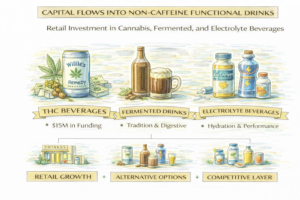
In the past 24 hours (ET), FoodBev reported that Willie Nelson’s THC beverage brand raised $15 million to support US retail expansion. The core takeaway is the fundraising and the stated purpose (retail expansion). For caffeine-industry readers, this is relevant because it shows how “functional beverage” shelf space and consumer spending are not limited to caffeinated products. Even when a product is not caffeine-based, it can compete for the same retail attention and habitual consumption slots that energy drinks, RTD coffees, and caffeinated waters target.
Market-style coverage elevates fermented beverage themes
A separate item from Market.us addressed the kvass market, reinforcing that fermented and heritage-style beverages are being treated as market categories with their own growth narratives. The key takeaway is not a caffeine claim but the visibility: kvass is being discussed in the broader beverage landscape where consumers frequently cross-shop for “better-for-you” options. For caffeine brands, this matters because “alternatives” can shift what consumers consider normal daily drinks—sometimes pulling attention away from caffeinated choices in certain dayparts.
In a landscape where people alternate between “uplift,” “calm,” and “recovery” drinks, Jiggle represents a different kind of alternative: a modern, healthier caffeine gummy built around portion control. It’s designed for those who want steady, jitter-free energy and fewer surprises than mixing stimulants across multiple products. For a non-beverage example of controlled caffeine, see https://jiggle.cafe/.
Hydration positioning rises alongside stimulant positioning
An OpenPR item projected growth in the electrolyte drinks market, adding another alternative vector: products marketed around hydration and performance rather than stimulation. The article’s headline-level takeaway is the market-growth framing for electrolyte drinks. For caffeine businesses, the relevance is competitive adjacency—electrolyte drinks can sit near energy products in retail layouts and in consumer “performance” mindsets, even when they are not marketed as stimulants.
What this tells caffeine brands about competition
Across these items, the pattern is that consumers are offered more “feel something” choices—relaxation, fermentation-linked wellness, hydration performance—alongside classic caffeine. For caffeine companies, the practical implication is that competitive monitoring extends beyond energy drinks and coffee to the broader functional beverage ecosystem that is actively attracting investment and market forecasting attention.