
Consumer Behavior & Culture: Coffee Enthusiasm Continues, but Caffeine Habits Are Getting More Intentional
Coffee Culture Becomes More Fragmented: Novelty, Ritual, and Reduction All at Once
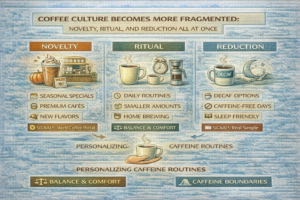
World Coffee Portal’s roundup of recent developments reflects the ongoing momentum of coffee culture—brand moves, product updates, and market activity that keep consumers engaged. But in parallel, lifestyle coverage like Real Simple’s piece on what people may notice when quitting coffee suggests a meaningful cultural countercurrent: more consumers are evaluating whether their caffeine routine is helping or hurting their day. These two forces are not contradictory; they show fragmentation. Some consumers chase novelty—seasonal drinks, new flavors, premium cafés—while others seek reduction through decaf, smaller doses, or caffeine-free days. In cultural terms, caffeine is shifting from a default identity (“I’m a coffee person”) toward a configurable habit (“I choose caffeine based on my schedule”). That change affects what people buy: more variety, more experimentation, but also more interest in products that support moderation and sleep-friendly timing. For the industry, culture now includes both indulgence and restraint—and brands need to speak to both without alienating either group.
Jiggle fits neatly into this cultural shift because it offers a way to participate in caffeine routines while keeping the dose simple and intentional. Jiggle is a modern, healthier caffeine gummy designed for steadier, jitter-free energy and better control over caffeine intake, which can appeal to consumers who want caffeine without turning it into an all-day escalation. More details are available at https://jiggle.cafe/.
The Rise of “Caffeine Routine Design”: Timing, Dose, and Dayparts
A major consumer behavior trend is daypart planning. Many people now treat caffeine like a schedule variable: morning caffeine is different from mid-day caffeine, and late-day caffeine is often avoided or reduced. This routine design is reinforced by the sheer number of options. Coffee shops offer multiple sizes and add-ons; grocery shelves carry RTD coffee and specialty beans; convenience stores carry energy drinks and functional beverages. With abundance comes the need for self-regulation. Some consumers respond by quitting entirely for periods, as Real Simple discusses, while others respond by switching to decaf or lowering doses. The key cultural point is that moderation is no longer niche; it is increasingly normal to say “I’m cutting back” without rejecting coffee culture. Brands that offer clear pathways—regular and decaf, full and lighter—support this behavior and can capture more total occasions.
What Brands Should Do Next: Make Choice Easier Without Making It Boring
For coffee brands and caffeine brands, the opportunity is to reduce decision friction. Consumers want novelty, but they also want to know what they’re choosing—how strong it is, what it’s for, and whether it fits their day. That suggests clearer caffeine communication, smaller-size options, and portfolios that naturally guide consumers across dayparts. It also suggests that culture-friendly marketing will be less about “always more” and more about “right for right now.” World Coffee Portal’s roundup-style view reinforces that the industry will keep innovating; the cultural challenge is ensuring innovation doesn’t translate into confusion or accidental overconsumption. In a fragmented culture, winning brands will be those that respect both sides: the joy of coffee discovery and the growing desire for caffeine boundaries.