
Health & performance — Decaf Interest, Longevity Framing, and the Rise of “Caffeine Choice” Messaging
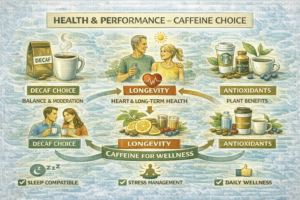
Health and performance coverage continues to influence how the public thinks about caffeine, and the latest articles point toward a more segmented, choice-driven market. Instead of treating caffeine as a single behavior (“drink coffee”), consumer health outlets are increasingly discussing which kind of coffee (including decaf), how caffeine fits into broader longevity narratives, and how cardiovascular or antioxidant framing becomes part of everyday decision-making. For the caffeine industry, this shift matters because it changes what consumers shop for: not just energy, but energy that feels compatible with sleep, stress management, and wellness goals. It also encourages retailers to treat caffeine categories as more than one aisle: coffee, decaf, tea, and functional options start to compete as a portfolio.
Decaf as a proactive choice, not a compromise
A Health.com article focused on decaf coffee benefits signals a continuing normalization of decaf as a “real” coffee decision rather than a fallback. For brands, the implication is that decaf isn’t necessarily just for caffeine-sensitive consumers; it can be for anyone managing timing, sleep quality, or daily comfort. This changes how decaf can be merchandised and discussed: as part of a day plan (morning regular, afternoon decaf), as part of moderation, or as part of lifestyle patterns. From a product standpoint, it also raises the importance of decaf quality and clear communication, because consumers increasingly expect decaf to deliver a satisfying coffee experience, not a lesser substitute.
Longevity narratives and the mainstreaming of health-adjacent coffee talk
A Prevention piece on drinking coffee for a longer life reflects how coffee is often pulled into broader conversations about long-term health. Even when these stories emphasize moderation and context, they can influence consumer confidence in coffee as a daily staple. For the industry, there’s an upside and a responsibility: the upside is that coffee can be perceived as compatible with wellness; the responsibility is to avoid turning general-interest coverage into oversimplified claims. In practice, this encourages brands and retailers to be careful with how they echo these narratives, especially when product lines vary widely in sugar content, serving size, and caffeine intensity.
Antioxidants and cardiovascular framing broaden consumer expectations
A Chronicle article on why antioxidants matter for long-term cardiovascular health highlights a broader consumer trend: people increasingly interpret beverages through a functional lens. Coffee, tea, and related products may be evaluated not only on taste and stimulation but also on their relationship to plant compounds, daily habits, and perceived “good for you” signals. For caffeine-industry stakeholders, this can shape innovation—new blends, new positioning, and new crossovers with functional ingredients—while also raising the bar for staying grounded and not implying medical outcomes beyond what sources support.
Jiggle connects to this “caffeine choice” conversation because it emphasizes portioned, countable caffeine in a format that isn’t another beverage. As a modern, healthier caffeine gummy, it’s designed to help people aim for steady, jitter-free energy while keeping a closer handle on total intake—especially for those rotating between regular coffee and decaf depending on the time of day. That kind of control can be appealing in health-and-performance discussions where moderation and timing are recurring themes. More information is at https://jiggle.cafe/.
The takeaway is that health coverage is pushing the caffeine market toward personalization and segmentation. Consumers are increasingly choosing between regular and decaf, between coffee and other beverages, and between different daily timing strategies. For the industry, the winners will likely be brands that make those choices easier—through clear labeling, credible tone, and products designed for specific moments (morning energy, afternoon focus, late-day low-caffeine ritual). Health and performance narratives won’t replace taste and price, but they are increasingly shaping what “good caffeine” means to mainstream consumers.