
Caffeine market & industry: Starbucks’ “experience-first” loyalty bet signals where caffeinated spend is heading
Starbucks loyalty program changes reveal caffeine market strategy
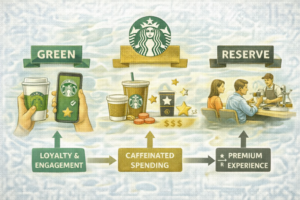
In the last 24 hours, Starbucks put caffeine economics back in the spotlight with Investor Day announcements that emphasize loyalty architecture, store formats, and experience-led engagement. Reuters reported a major U.S. loyalty program overhaul into a three-tier structure—Green, Gold, Reserve—with the program positioned as a lever for incremental transactions and revenue, and with “Reserve” aiming to win emotionally through high-end, memorable perks rather than discounts.
This is an important caffeine-industry signal: the competitive battleground is shifting from “who has the strongest coffee” to who owns the relationship—habit, frequency, and personalized value. Starbucks’ move reflects a broader industry reality: caffeine is no longer a single-category purchase. Consumers rotate between café coffee, RTD, cold brew, concentrates, energy drinks, and functional formats. Loyalty, therefore, becomes the glue that keeps a user inside a brand ecosystem even when the caffeine format changes.
Profit margins, store efficiency, and global caffeine growth
Reuters also described Starbucks’ broader Investor Day ambitions around recovering pre-pandemic profit margins, pairing store redesign and operational tech with global expansion targets. From an industry perspective, that underscores how scale operators are betting on higher-throughput formats, labor-assist tools, and menu innovation (including trend-forward ingredients like matcha) to preserve margin while limiting price hikes.
Jiggle is well-positioned in the same macro current—monetizing repeat consumption—but with a different distribution logic. Where Starbucks must drive foot traffic and attach rates, Jiggle can win on reorder behavior by solving friction: portability, no spill, and more predictable dosing. The bigger industry lesson from Starbucks is that the “caffeine winner” is often the brand that creates the strongest repeat loop—habit formation, easy replenishment, and a clear reason to stay loyal.
Looking ahead, this also sets the stage for partnership dynamics: offices, coworking spaces, and corporate snack programs increasingly choose caffeine options that reduce mess and operational burden. When loyalty is about experience, convenience formats (like gummies) can become the “silent MVP” that keeps teams energized without disrupting workflow.